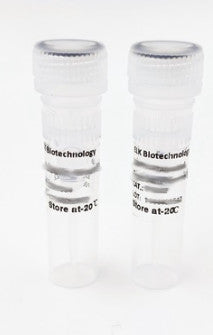
ELK Biotechnology
BTBD9 Rabbit Polyclonal Antibody - ES17945
BTBD9 Rabbit Polyclonal Antibody - ES17945
Couldn't load pickup availability
BTBD9 Rabbit Polyclonal Antibody
Sizes: 50μL, 100μL
Catalogue Numbers: ES17945-50, ES17945-100
Lead times: 1-2 weeks, if manufacturer has product in stock
Manufacturer/Ship Location: China
Background: This locus encodes a BTB/POZ domain-containing protein. This domain is known to be involved in protein-protein interactions. Polymorphisms at this locus have been reported to be associated with susceptibility to Restless Legs Syndrome and may also be associated with Tourette Syndrome. Alternatively spliced transcript variants have been described. [provided by RefSeq, Aug 2011],
Reactivity: Human, Mouse, Rat
Host: Rabbit
Applications: WB
Clonality: Polyclonal
Immunogen: Synthesized peptide derived from human BTBD9 AA range: 424-474
Isotype: IgG
Target: BTBD9
Specificity: This antibody detects endogenous levels of BTBD9 at Human/Mouse/Rat
Dilution: WB 1:500-2000
Purification: The antibody was affinity-purified from rabbit serum by affinity-chromatography using specific immunogen.
Concentration: 1 mg/ml,
Formlation: Liquid in PBS containing 50% glycerol, 0.5% BSA and 0.02% sodium azide.
Expression: Detected in the brain (at protein level) (PubMed:22658601), Moderately expressed in all specific brain regions examined (PubMed:11572484), Expressed in the dopaminergic neurons of the substantia nigra and A11 neurons (PubMed:22658601), Highly expressed in kidney and moderately expressed in all other adult and fetal tissues (PubMed:11572484),
Molecular Weight (Da): 67kD
Function: Disease: Genetic variations in BTBD9 are associated with susceptibility to restless legs syndrome type 6 (RLS6) [MIM: 611185], also called periodic limb movements in sleep. Restless legs syndrome (RLS) is a neurologic disorder characterized by an uncontrollable urge to move the legs during periods of rest. The majority of patients with RLS also have periodic limb movements in sleep, which are characterized by involuntary, highly stereotypical, regularly occurring limb movements that occur during sleep
Similarity: Contains 1 BACK (BTB/Kelch associated) domain
Similarity: Contains 1 BTB (POZ) domain
Tissue Specificity: Highly expressed in kidney and moderately expressed in all other adult and fetal tissues. Moderately expressed in all specific brain regions examined
Subcellular Location: cytoplasm, SCF ubiquitin ligase complex,
Storage and Stability: -20°C/1 year
Gene Name: BTBD9 KIAA1880
Protein Name: BTBD9
Mouse Gene ID: 224671
Mouse SwissProt Number: Q8C726
Rat Gene ID: 294318
Rat SwissProt Number: Q5PQR3
Research Use Only