Cloud Clone Corp
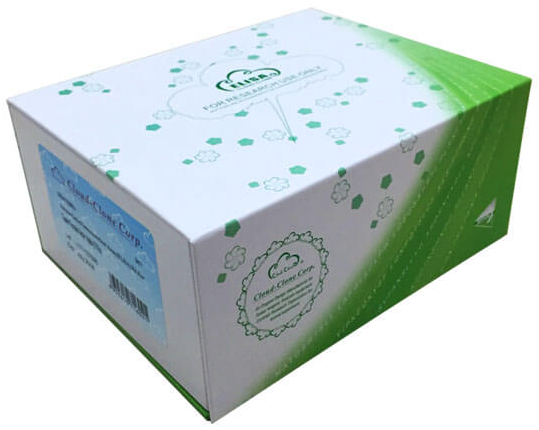
ELISA Kit for Procollagen I N-Terminal Propeptide (PINP) - CEA957Hu
ELISA Kit for Procollagen I N-Terminal Propeptide (PINP) - CEA957Hu
Couldn't load pickup availability
ELISA Kit for Procollagen I N-Terminal Propeptide (PINP)
Sizes: 24T, 48T, 96T
Catalogue Numbers: CEA957Hu-24, CEA957Hu-48, CEA957Hu-96
Lead times: 1-2 weeks, if manufacturer has product in stock
Manufacturer/Ship Location: China
Featured Series Function: Detects small molecule
Method: Colormetric
Test Principle: This assay employs the competitive inhibition enzyme immunoassay technique. A monoclonal antibody specific to Procollagen I N-Terminal Propeptide (PINP) has been pre-coated onto a microplate. A competitive inhibition reaction is launched between biotin labeled Procollagen I N-Terminal Propeptide (PINP) and unlabeled Procollagen I N-Terminal Propeptide (PINP) (Standards or samples) with the pre-coated antibody specific to Procollagen I N-Terminal Propeptide (PINP). After incubation the unbound conjugate is washed off. Next, avidin conjugated to Horseradish Peroxidase (HRP) is added to each microplate well and incubated. The amount of bound HRP conjugate is reverse proportional to the concentration of Procollagen I N-Terminal Propeptide (PINP) in the sample. After addition of the substrate solution, the intensity of color developed is reverse proportional to the concentration of Procollagen I N-Terminal Propeptide (PINP) in the sample.
Reactivity: Human
Alternate Names: P1NP, N-Propeptide Of Type I Procollagen, Procollagen I Amino Terminal Propeptide
Target: Procollagen I N-Terminal Propeptide,
Assay Length: 2h
Sample Size: 50uL
Sample Type: Serum, Plasma, Tissue Homogenates, Cell Lysates, Cell Culture Supernates, Other Biological Fluids
Detection Method: Competitive Inhibition
Detection Range: 2.47-200ng/mL
Precision: Intra-assay Precision (Precision within an assay): 3 samples with low, middle and high level Procollagen I N-Terminal Propeptide (PINP) were tested 20 times on one plate, respectively.Inter-assay Precision (Precision between assays): 3 samples with low, middle and high level Procollagen I N-Terminal Propeptide (PINP) were tested on 3 different plates, 8 replicates in each plate.CV(%) = SD/meanX100
Assay Precision: Intra-Assay: CV<10%, Inter-Assay: CV<12%
Assay Procedure: 1. Prepare all reagents, samples and standards; 2. Add 50µL standard or sample to each well. And then add 50µL prepared Detection Reagent A immediately. Shake and mix. Incubate 1 hour at 37°C; 3. Aspirate and wash 3 times; 4. Add 100µL prepared Detection Reagent B. Incubate 30 minutes at 37°C; 5. Aspirate and wash 5 times; 6. Add 90µL Substrate Solution. Incubate 10-20 minutes at 37°C; 7. Add 50µL Stop Solution. Read at 450 nm immediately.
Specificity: Reactive with Human PINP / Procollagen I N-Terminal Propeptide
Sensitivity: 0.94ng/mL
Storage: 4°C for 1 month/ -20°C for long-term(One year within shelf life)
Stability: The stability of kit is determined by the loss rate of activity. The loss rate of this kit is less than 5% within the expiration date under appropriate storage condition.To minimize extra influence on the performance, operation procedures and lab conditions, especially room temperature, air humidity, incubator temperature should be strictly controlled. It is also strongly suggested that the whole assay is performed by the same operator from the beginning to the end.
Shelf Life: 12 months
Gene ID: 1277
UniProt: P02452
Research Use Only