Bioworld
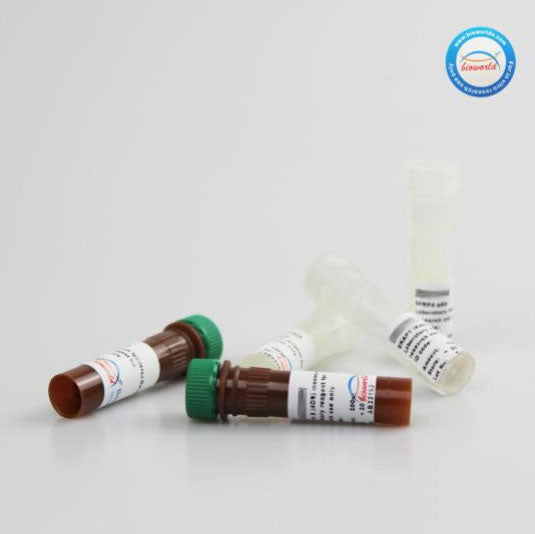
CD158b2 Recombinant Protein - NCP0283
CD158b2 Recombinant Protein - NCP0283
Couldn't load pickup availability
CD158b2 Recombinant Protein
Sizes: 500μg, 1mg
Catalogue Numbers: NCP0283-500, NCP0283-1000
Lead times: 1-2 weeks, if manufacturer has product in stock
Manufacturer/Ship Location: China
Background: Killer cell immunoglobμlin-like receptors (KIRs) are type 1 transmembrane glycoproteins expressed by natural killer cells and subsets of CD4, CD8, and γδ T cells. Analogous to the diversity of their human leucocyte antigen class I (HLA Class I) ligands, the KIR genes are polymorphic and the content of the KIR gene cluster varies among haplotypes, although several "framework" genes are found in all haplotypes. The KIR proteins are characterized by the number of extracellμlar immunoglobμlin-superfamily domains (2D or 3D) and by whether they have a long (L) or short (S) cytoplasmic domain. KIR proteins with the long cytoplasmic domain transduce inhibitory signals upon ligand binding via an immune tyrosine-based inhibitory motif (ITIM), while KIR proteins with the short cytoplasmic domain lack an ITIM and instead transduce activating signals. KIR proteins play an important role in the regμlation of the immune response. Combinations of KIR and HLA class I variants influence susceptibility to autoimmunity and infectious disease, as well as outcomes of haematopoietic stem cell transplantation.
Category: Protein
Host: E. coli
Purification and Purity: Transferred into competent cells and the supernatant was purified by NI column affinity chromatography and the purity is > 85% (by SDS-PAGE).
Molecular Weight: ~30kDa
Solubility: PBS, 4M Urea, PH7.4
Storage and Stability: Store at 4°C short term. Aliquot and store at -20°C long term. Avoid freeze-thaw cycles.
Restriction Sites: NdeI-XhoI
SwissProt: P43628
Tag: His-tag
Amino Acid Sequence: CATGAAGGCGTTCATCGCAAACCGAGTCTGCTGGCACATCCGGGTCCGCTGGTTAAAAGCGAAGAAACCGTGATTCTGCAGTGCTGGAGTGATGTTCGCTTCCAGCACTTCCTGCTGCATCGCGAAGGCAAATTCAAAGATACCCTGCATCTGATTGGCGAACATCATGATGGTGTTAGCAAAGCCAACTTCAGCATTGGTCCGATGATGCAGGATCTGGCCGGTACCTATCGCTGCTATGGCAGTGTGACCCATAGTCCGTATCAGCTGAGTGCCCCGAGTGATCCGCTGGATATTGTTATTACCGGCCTGTATGAAAAACCGAGTCTTAGCGCCCAGCCGGGTCCGACCGTTCTGGCTGGTGAAAGTGTTACCCTGAGTTGTAGTAGCCGCAGCAGTTATGATATGTATCATCTGAGCCGCGAAGGTGAAGCCCATGAACGTCGCTTCAGCGCAGGCCCGAAAGTGAATGGCACCTTCCAGGCCGACTTCCCGCTGGGTCCGGCCACACATGGCGGTACCTATCGTTGCTTCGGCAGCTTCCGCGATAGTCCGTATGAATGGAGTAATAGCAGTGATCCGTTACTGGTGAGCGTGACCGGCAATCCGAGCAATAGTTGGCCGAGTCCGACCGAACCGAGCAGCGAAACCGGTAATCCGCGCCATCTGCAT
Expression Vector: pet-22b(+)
Research Use Only